You’ve probably heard about web traffic generation services that promise to boost your website’s visitor numbers overnight. SparkTraffic has become one of the most talked-about platforms in this space, but many website owners wonder whether it actually delivers real value.
This comprehensive website traffic service review cuts through the marketing hype. We’ll examine the company’s background and analyze real user experiences. You’ll discover exactly how this platform works and what results you can realistically expect.
Throughout this SparkTraffic review, we’ll break down pricing options and discuss potential risks associated with artificial traffic. Whether you’re a small business owner or a digital marketer testing new strategies, you’ll get the straight facts needed to make an informed decision. We’ll help you understand if this solution aligns with your goals and budget.
Key Takeaways
- SparkTraffic is a legitimate service that generates artificial web traffic to websites, but results vary significantly based on your specific goals and expectations
- Pricing ranges from affordable starter plans to premium packages, with monthly subscriptions offering better value than one-time purchases
- The service provides customizable traffic sources including geographic targeting and referral options to simulate real visitor behavior
- Major risks include potential penalties from search engines and analytics distortion that can skew your marketing data
- Best suited for testing website capacity, creating social proof, or supplementing organic traffic rather than replacing genuine marketing efforts
- Users report mixed results with satisfaction depending heavily on realistic expectations and proper implementation strategies
1. What Is SparkTraffic and How Does It Work?
The sparktraffic traffic service functions as an automated system that directs web visitors to client websites according to specified parameters. This platform has emerged as one of several services promising to boost traffic metrics without requiring traditional marketing efforts. Understanding the mechanics behind this service helps website owners make informed decisions about whether it fits their needs.
Many businesses struggle with low visitor numbers during their early stages. SparkTraffic targets this pain point by offering instant traffic delivery. The service appeals to those who want quick results rather than waiting months for organic growth to take hold.
Overview of the Platform
SparkTraffic operates as a web-based traffic delivery platform that allows customers to purchase and customize visitor traffic to their websites. The service requires no software installation or technical expertise. Users simply create an account, select their preferred traffic package, and configure their targeting preferences through an online dashboard.
Service Description and Purpose
This website traffic generator markets itself as a solution for multiple scenarios. Website owners use it to demonstrate social proof to potential investors or partners. The increased visitor numbers can make a new website appear more established than it actually is.
Some users employ the service for stress testing their web servers and infrastructure. By generating large volumes of traffic, they can identify bottlenecks and performance issues before real users encounter them. This represents one of the more legitimate applications of artificial traffic generation.
Other stated purposes include meeting minimum traffic requirements for ad network approval. Some advertising platforms require websites to demonstrate consistent visitor numbers before accepting them into their programs. SparkTraffic positions itself as a shortcut to meeting these thresholds.
Company History and Background
SparkTraffic has operated since approximately 2017, though the company maintains limited public information about its founding team or corporate structure. The service is registered and operates through online channels without significant physical presence disclosure.
SparkTraffic vs ClickSEO comparison
The company’s website provides minimal transparency regarding ownership or management. This lack of detailed background information is common among traffic generation services but raises questions for potential customers seeking accountability. No prominent executives or founders are publicly associated with the brand.
Customer reviews and testimonials appear on various third-party platforms, though verification of these experiences remains challenging. The company has maintained consistent operations for several years, suggesting at least basic business stability.
Traffic Generation Technology
Understanding how sparktraffic works requires examining the technical infrastructure that powers the service. The platform uses multiple methods to simulate real website visitors and direct them to client sites.
How Traffic Is Generated
SparkTraffic employs a network of systems that access client websites through standard web browsers. The traffic generation technology creates sessions that mimic human behavior patterns, including page views, session durations, and click activities. These automated visitors are designed to register in analytics platforms like Google Analytics.
The system rotates through different IP addresses to avoid detection as bot traffic. Each visit appears to come from a unique location, making the traffic seem more legitimate. The platform can configure visitors to view specific pages, spend predetermined amounts of time on site, and even simulate clicks on internal links.
Advanced settings allow users to control bounce rates and pages per session. This customization helps the traffic blend more naturally with organic visitor patterns. However, the underlying technology still relies on automated scripts rather than actual human interest in the website content.
Traffic Sources and Methods
The service sources its traffic through several channels. These include residential proxy networks, data center IP addresses, and potentially compromised devices in bot networks. The exact composition varies based on the package tier and geographic targeting selected.
Residential IPs typically appear more legitimate to analytics platforms and security systems. These addresses belong to actual internet service provider customers, though the traffic itself remains artificial. Data center IPs are easier to detect as non-human traffic but cost less to deploy at scale.
SparkTraffic claims to use legitimate methods that comply with terms of service, though this assertion is debatable. The traffic generation relies on automation rather than genuine user interest, which violates the spirit if not always the letter of most platform policies.
| Traffic Generation Method | Detection Difficulty | Cost Level | Realism Score |
|---|---|---|---|
| Residential Proxy Network | Hard to detect | High | 8/10 |
| Data Center IPs | Moderate detection | Low | 4/10 |
| Mixed Source Traffic | Variable detection | Medium | 6/10 |
| Browser Automation | Easy to detect | Very low | 3/10 |
Target Audience and Use Cases
SparkTraffic primarily targets several distinct customer segments. Each group has different motivations for seeking artificial traffic generation services.
Startup founders and entrepreneurs represent a significant portion of the customer base. These individuals often need to demonstrate traction to potential investors or partners. Higher traffic numbers can create the appearance of market validation, even if those visitors provide no real business value.
Web developers and quality assurance professionals use the service for legitimate testing purposes. Generating controlled traffic volumes helps identify performance issues, server capacity limits, and user experience problems. This represents one of the few genuinely useful applications of such services.
Digital marketers and agencies sometimes employ traffic generators to inflate metrics for client reporting. This practice is ethically questionable and potentially fraudulent, but it occurs within the industry. Some marketers use it to supplement rather than replace legitimate traffic generation efforts.
Common use cases promoted by the platform include:
- Social proof generation – Making new websites appear more popular and established
- Ad network approval – Meeting minimum traffic requirements for advertising platforms
- Server stress testing – Evaluating infrastructure performance under load
- Heatmap and analytics testing – Generating data for user behavior analysis tools
- Competitor analysis obfuscation – Making traffic sources harder for competitors to analyze
The website traffic generator appeals to those seeking quick solutions over sustainable growth strategies. Users typically prioritize immediate results and metric inflation over genuine audience building. Understanding these motivations helps clarify why such services exist despite their obvious limitations and risks.
Some customers view SparkTraffic as a temporary bridge solution while building organic traffic channels. Others rely on it continuously, creating dependency on artificial metrics. The platform’s flexibility allows it to serve both short-term and ongoing traffic generation needs, though the latter approach carries significantly higher risks.
2. Is SparkTraffic Legit? Examining the Evidence
Determining whether SparkTraffic is legit means looking beyond marketing claims to examine real evidence and customer feedback. The question of legitimacy involves multiple factors including business credentials, user experiences, and industry reputation. Let’s break down the concrete evidence to help you make an informed decision.
Company Background and Reputation
Understanding a company’s background provides essential context about its reliability and trustworthiness. SparkTraffic’s reputation in the digital marketing space depends on verifiable business information and operational history.
Business Registration and Transparency
SparkTraffic operates as a registered business entity, though specific details about its corporate structure remain limited on public platforms. The company maintains a professional website with clear contact information and support channels. Business transparency is a positive indicator of company legitimacy.
However, detailed information about ownership, physical business address, and registration jurisdiction isn’t prominently displayed. This lack of complete transparency is common among smaller digital service providers but may raise questions for cautious buyers.
The company does provide:
- Active customer support email and ticket system
- Terms of service and privacy policy documentation
- Payment processing through established third-party providers
- Regular platform updates and service maintenance
Years in Operation
SparkTraffic has operated continuously for several years in the traffic generation industry. The platform launched around 2017, giving it over six years of market presence. This operational longevity suggests a level of stability that fly-by-night operations typically lack.
Long-term operation indicates several positive factors. The company has maintained infrastructure, processed payments reliably, and kept its platform functional through changing market conditions. Services that disappear quickly usually show warning signs within the first year or two.
The sparktraffic reputation benefits from this sustained presence. Users can find discussions and reviews dating back multiple years, providing historical perspective on service quality and reliability.
Real User Testimonials and Reviews
User feedback provides the most valuable insight into whether a service delivers on its promises. Examining sparktraffic user reviews across multiple platforms reveals patterns in customer satisfaction and common concerns.
Trustpilot and Review Site Analysis
Sparktraffic trustpilot ratings present a mixed picture of customer experiences. The platform maintains an active presence on Trustpilot with hundreds of reviews spanning different rating levels. The overall rating typically falls in the 3.5 to 4.0 star range, indicating moderate satisfaction among users.
Positive reviews commonly highlight:
- Quick traffic delivery as promised
- Easy-to-use dashboard and setup process
- Responsive customer support team
- Visible increase in website traffic numbers
Negative reviews frequently mention:
- Traffic quality concerns and low engagement rates
- Limited conversion from the purchased traffic
- Pricing structure for sustained campaigns
- Detection by analytics platforms as non-human traffic
The review patterns suggest SparkTraffic delivers the traffic volume promised but with varying quality levels. Most complaints focus on traffic value rather than outright scams or non-delivery. This distinction is important when evaluating sparktraffic credibility as a service provider.
Review authenticity appears genuine with detailed accounts, varied ratings, and company responses to feedback. There’s no obvious evidence of fake review manipulation or systematic deletion of negative comments.
Social Media Feedback
Social media platforms and marketing forums provide unfiltered opinions about SparkTraffic. Reddit discussions in communities like r/marketing and r/SEO reveal mixed experiences from users who’ve tested the service.
Common themes from social media feedback include:
- Testing purposes: Many users report using SparkTraffic for initial website testing rather than long-term growth strategies
- Vanity metrics: Some marketers mention using the service to demonstrate traffic numbers to clients or stakeholders
- Limited ROI: Experienced marketers generally advise against relying on purchased traffic for genuine business growth
- Platform functionality: Users confirm the service works as advertised in terms of delivering visitor numbers
Twitter and Facebook discussions show similar patterns. The sparktraffic user reviews on social platforms tend toward skepticism about long-term value while acknowledging the service functions as described. Users who understand the limitations report better satisfaction than those expecting organic-quality traffic.
Marketing professionals often view SparkTraffic as a tool with specific use cases rather than a comprehensive traffic solution. This realistic perspective appears more common among experienced users than newcomers to digital marketing.
Industry Standing and Credibility
SparkTraffic’s position within the digital marketing industry provides context for evaluating its legitimacy. The service occupies a niche market segment focused on artificial traffic generation rather than mainstream marketing strategies.
Industry recognition factors include:
- Service category: SparkTraffic operates within the bot traffic generation sector, which remains controversial among marketing professionals
- Expert opinions: Most SEO and marketing experts recommend organic growth strategies over purchased traffic services
- Competitive landscape: The company competes with multiple similar services, none of which have widespread endorsement from major marketing authorities
- Use case acceptance: Some legitimate scenarios exist for traffic generation, such as website testing and demonstration purposes
The sparktraffic credibility within its specific niche appears solid. The company isn’t trying to position itself as something it’s not. Transparency about delivering bot traffic rather than claiming organic visitors represents an honest approach.
However, the broader marketing industry maintains reservations about traffic generation services generally, especially when considering sparktraffic vs serpseo. Major platforms like Google, Facebook, and advertising networks explicitly prohibit artificial traffic. This industry position doesn’t make SparkTraffic illegitimate but does limit its appropriate use cases.
The service maintains partnerships with established payment processors and hosting providers, which conduct their own due diligence before working with businesses. These relationships suggest basic legitimacy standards are met.
When asking “is sparktraffic legit,” the evidence points to a legitimate business providing a controversial service. The company operates transparently within its niche, delivers on basic promises, and maintains customer support. However, the nature of bot traffic generation itself carries inherent limitations and risks that users must understand before purchasing.
3. Key Features of SparkTraffic
When evaluating any traffic service, knowing what controls and options you have access to makes all the difference. SparkTraffic provides several tools that let you shape your traffic campaigns according to specific goals. This section breaks down the sparktraffic features that define how the platform works and what level of customization you can expect.
These features determine whether the service can meet your particular needs. From basic traffic volume adjustments to detailed geographic filters, understanding these capabilities helps you make an informed decision.
Traffic Customization Options
The platform’s traffic customization tools form the foundation of what makes SparkTraffic adaptable to different scenarios. You can adjust multiple parameters to create traffic patterns that align with your testing or visibility goals. These settings give you control over both the quantity and behavior of the visitors sent to your website.
The customization interface allows you to modify your campaign at any time. You’re not locked into initial settings, which provides flexibility as your needs change.
Traffic Volume Control
One of the primary sparktraffic features is the ability to set exact visitor numbers. You can specify how many visits you want per day or per month, depending on your plan. The platform offers traffic volume control that ranges from a few hundred daily visitors to several thousand, based on the package you select.
This precision helps you stay within budget while achieving your traffic goals. You can scale up gradually or maintain consistent numbers over extended periods. The system distributes these visits throughout your selected timeframe rather than sending them all at once.
Session Duration Settings
Beyond just sending visitors, SparkTraffic lets you determine how long these sessions last. Session duration directly affects metrics like bounce rate and average time on site. You can configure whether visitors stay for a few seconds or several minutes.
Longer session durations create the appearance of more engaged traffic. However, the quality of this engagement differs from genuine user interest. These settings help you achieve specific analytics targets, though they don’t represent actual content engagement.
Geographic Targeting Capabilities
Location matters significantly when it comes to website traffic. SparkTraffic offers geographic targeting features that allow you to choose where your visitors appear to originate from. This functionality proves useful for businesses testing international markets or wanting to demonstrate regional popularity.
The location settings affect how the traffic appears in your analytics platforms. These geographic filters provide varying levels of specificity depending on what you need.
Country-Level Targeting
The most basic geographic targeting option lets you select specific countries. SparkTraffic supports traffic from numerous nations across different continents. You can choose multiple countries simultaneously or focus entirely on a single market.
Popular locations like the United States, United Kingdom, Canada, and Australia are readily available. Some premium locations may cost slightly more than traffic from other regions. The platform simulates visitors from these countries by routing connections through appropriate servers.
City and Region Options
For more precise geographic targeting, SparkTraffic offers city and regional filtering in certain plans. This feature allows you to drill down beyond country level to specific states, provinces, or metropolitan areas. Local businesses or region-specific campaigns benefit most from this granular control.
The accuracy of city-level targeting varies depending on the location. Major urban centers typically offer more precise simulation than smaller towns. This level of detail helps create more convincing traffic patterns for analytics purposes.
Analytics and Reporting Tools
Understanding what’s happening with your purchased traffic requires solid reporting capabilities. SparkTraffic provides analytics and reporting tools through its platform interface. These tools show you how your campaign performs and whether the traffic arrives as configured.
The reporting system operates independently from your own website analytics. This means you can monitor delivery through the sparktraffic dashboard before checking how it appears in Google Analytics or other tracking platforms.
Dashboard Overview
The sparktraffic dashboard serves as your command center for managing campaigns. The interface displays your active projects, remaining traffic balance, and configuration settings. Most users find the layout straightforward and easy to navigate, even without technical expertise.
From the dashboard, you can start or pause campaigns, adjust settings, and purchase additional traffic. The design prioritizes simplicity over complex features. Key metrics appear prominently, so you can quickly assess your campaign status at a glance.
Real-Time Tracking
One valuable sparktraffic dashboard feature is the ability to monitor traffic delivery in real time. You can see visitors arriving at your site as the service sends them. This real-time tracking updates frequently, typically within minutes of traffic generation.
The tracking shows basic information about each visit, including timestamp and geographic origin. This immediate feedback helps you verify that your traffic customization settings work correctly. You can make adjustments quickly if something doesn’t match your expectations.
Delivery Speed and Volume Control
How quickly traffic arrives matters as much as the total amount you receive. SparkTraffic offers delivery speed controls that determine the pacing of your visitor flow. You can choose between rapid delivery that concentrates traffic in shorter periods or steady distribution spread throughout the day.
The platform typically begins sending traffic within minutes of campaign activation. This quick start means you don’t wait days to see results. The traffic volume control system ensures visits arrive at rates that appear natural rather than in suspicious bursts.
You can adjust delivery speed at any time during your campaign. Slower distribution creates more realistic traffic patterns, while faster delivery helps you reach goals quickly. The system maintains your specified traffic customization settings regardless of the pace you select.
Balancing delivery speed with natural-looking patterns requires some experimentation. Starting with moderate speeds and monitoring your analytics helps you find the right balance for your specific situation.
4. SparkTraffic Pricing Plans Breakdown
SparkTraffic offers several pricing tiers designed to accommodate different website sizes, traffic needs, and marketing budgets. Understanding the sparktraffic pricing structure helps you select the right plan without overspending on features you won’t use. Each tier provides specific traffic volumes and capabilities that scale with your investment.
The platform uses a subscription model with monthly billing cycles. You can upgrade or downgrade between sparktraffic plans as your needs change. Most packages deliver traffic consistently throughout the month rather than in sudden bursts.
Starter Package Details
The entry-level option serves website owners testing traffic generation services for the first time. This plan provides basic functionality at an accessible price point. It works well for small blogs, personal websites, or businesses exploring whether purchased traffic aligns with their marketing strategy.
Monthly Traffic Allocation
The Starter package typically delivers 20,000 to 50,000 visits per month, depending on current pricing structures. Traffic distributes evenly across all days, averaging roughly 660 to 1,650 visits daily. You can adjust delivery speed to create more natural-looking traffic patterns.
This volume suits websites in early development stages or those supplementing existing organic traffic. The sparktraffic cost for this tier usually ranges from $49 to $79 monthly. Payment processes through major credit cards and PayPal.
Feature Limitations
Budget-conscious buyers should understand what the Starter plan doesn’t include. Geographic targeting restricts you to country-level selection only—you cannot target specific states or cities. Session duration and bounce rate controls remain limited compared to higher tiers.
Customer support operates through email ticketing systems with response times of 24-48 hours. You won’t receive dedicated account management or phone support. These limitations keep costs down while providing functional traffic generation capabilities.
Professional Plan Features
The mid-tier offering balances affordability with enhanced control and customization. This popular choice appeals to growing businesses, e-commerce sites, and marketing agencies managing multiple client websites. The Professional tier removes several restrictions that limit the Starter package.
Monthly traffic allocation increases to 100,000 to 300,000 visits, with sparktraffic pricing typically ranging from $149 to $299. This represents better per-visit value as volume scales. The plan includes more sophisticated traffic configuration options that improve appearance and performance.
Enhanced Targeting Options
Professional subscribers gain access to city-level geographic targeting across major metropolitan areas. You can specify traffic sources from particular regions that match your business location or target market. This creates more relevant traffic patterns that appear less suspicious.
Additional controls include device type selection (desktop versus mobile ratios), referral source customization, and operating system preferences. These settings help traffic blend more naturally with your existing visitor demographics. You can adjust session duration ranges and create more realistic bounce rate patterns.
Priority Support Benefits
Customer service upgrades significantly at this level. Priority support guarantees responses within 12 hours rather than two days. You receive access to live chat during business hours for immediate assistance with technical questions or configuration issues.
The Professional tier includes dedicated onboarding assistance. A support specialist helps configure your first campaign and optimize settings for your specific website type. This guidance proves valuable for users unfamiliar with traffic generation mechanics.
Enterprise Solutions
High-volume users and agencies require customized arrangements that standard sparktraffic packages cannot accommodate. Enterprise solutions provide flexibility for unique situations and demanding traffic requirements. These custom arrangements involve direct negotiation with the SparkTraffic sales team.
Custom Traffic Volumes
Enterprise clients can request traffic volumes exceeding one million visits monthly. The sparktraffic cost per thousand visits decreases substantially at this scale, though exact pricing depends on specific requirements and contract length. Annual commitments typically secure better rates than month-to-month arrangements.
Volume discounts become negotiable at these levels. Large-scale buyers might reduce their per-visit cost by 30-50% compared to Professional plan rates. Contract terms usually require minimum three or six-month commitments to access these preferential rates.
White-Label Options
Marketing agencies and resellers can access white-label services that remove SparkTraffic branding. This allows agencies to offer traffic generation as their own proprietary service to clients. White-label arrangements include custom dashboards, branded reporting, and API access for platform integration.
These options carry premium pricing above standard Enterprise rates. Setup fees typically apply for custom dashboard development and integration work. White-label clients receive dedicated account managers and priority technical support for their operations.
Value for Money Analysis
Evaluating whether sparktraffic plans deliver worthwhile returns requires comparing costs against alternatives and potential benefits. The per-visit cost decreases as you move up pricing tiers, but higher volumes don’t automatically mean better value for your specific situation.
| Plan Level | Monthly Traffic | Approximate Cost | Cost Per 1,000 Visits |
|---|---|---|---|
| Starter | 20,000-50,000 | $49-$79 | $1.58-$2.45 |
| Professional | 100,000-300,000 | $149-$299 | $1.00-$1.49 |
| Enterprise | 1,000,000+ | Custom Pricing | $0.50-$0.99 |
Comparing website traffic pricing against traditional advertising reveals interesting contrasts. Google Ads costs vary widely by industry but often exceed $2-$5 per click in competitive sectors. Facebook advertising typically runs $0.50-$2.00 per click. SparkTraffic appears cheaper per visit, but those visits carry different quality and engagement characteristics.
The real value question centers on what you actually gain from purchased traffic. If your goal involves inflating vanity metrics or meeting investor expectations for traffic numbers, sparktraffic packages might serve that purpose affordably. However, if you need traffic that converts to sales, subscriptions, or meaningful engagement, traditional advertising typically delivers better ROI despite higher per-visitor costs.
Budget allocation matters significantly. Spending $299 monthly on SparkTraffic means forgoing that investment in content creation, legitimate SEO, or advertising that reaches genuinely interested audiences. Consider whether the same budget might produce better long-term results through organic growth strategies or targeted paid campaigns.
For specific use cases—like demonstrating social proof, testing website infrastructure under load, or supplementing legitimate traffic temporarily—the pricing may represent reasonable value. The service delivers what it promises: traffic volume. Whether that volume justifies the investment depends entirely on your objectives and how you measure success.
5. Pros of Using SparkTraffic
While every traffic service has trade-offs, SparkTraffic delivers genuine advantages worth considering. The platform has earned positive attention for several features that make it stand out in the traffic generation market. Understanding these sparktraffic benefits helps you make an informed decision about whether this service fits your needs.
From simplified setup processes to flexible configuration options, the service addresses common pain points website owners face. Let’s examine each advantage in detail to see where SparkTraffic truly excels.
Easy Setup and User-Friendly Interface
One of the most significant sparktraffic advantages is how accessible the platform is for beginners. You don’t need technical expertise or coding knowledge to start generating easy website traffic to your site. The entire system is designed with simplicity in mind, removing barriers that often frustrate users on similar platforms.
Quick Registration Process
Creating an account takes less than five minutes. You simply provide your email address, create a password, and verify your account through a confirmation link. There’s no lengthy approval process or complicated verification steps.
The payment processing is equally straightforward. SparkTraffic accepts major credit cards, PayPal, and cryptocurrency options. Once payment clears, your account activates immediately, allowing you to start configuring your first traffic campaign right away.
New users appreciate that there are no hidden setup fees or surprise charges. The pricing you see during signup matches exactly what you’ll pay, with no additional costs for activation or configuration.
Intuitive Dashboard Design
The control panel uses a clean, modern layout that makes navigation effortless. All essential functions are visible on the main screen, with clearly labeled buttons and sections. You can set up a complete traffic campaign without consulting tutorials or support documentation.
The dashboard displays your active campaigns, remaining traffic balance, and real-time delivery statistics. Color-coded indicators help you quickly identify campaign status and performance. Even users with minimal technical background report feeling confident using the interface within minutes.
SparkTraffic also includes helpful tooltips throughout the dashboard. Hover over any setting, and you’ll see a brief explanation of what it controls. This feature eliminates guesswork and helps you make informed configuration choices.
Flexible Traffic Configuration
Another major advantage is the level of control you have over your traffic patterns. Unlike services that offer only basic settings, SparkTraffic provides extensive customization that lets you tailor traffic to match your specific objectives.
Customizable Parameters
You can adjust numerous variables to create traffic that appears more natural. Geographic targeting lets you select specific countries, regions, or cities where your visitors will originate. This feature is particularly valuable if you’re testing local market response or need traffic from specific demographics.
Session duration settings allow you to control how long visitors stay on your site. You can choose ranges from quick 30-second visits to extended 5-minute sessions. This flexibility helps you create traffic patterns that align with your analytics goals.
The platform also lets you specify referral sources. You can configure traffic to arrive from search engines, social media platforms, direct visits, or referral websites. This diversity makes your traffic sources appear more organic in analytics reports.
Additional parameters include device type selection (desktop, mobile, tablet), browser preference, and operating system distribution. These granular controls represent significant sparktraffic benefits compared to competitors offering only basic settings.
Scalability Options
Your traffic needs can change quickly based on campaigns, seasons, or business growth. SparkTraffic accommodates these fluctuations with easy scaling options. You can increase your daily traffic volume with just a few clicks, upgrading your plan or purchasing additional traffic packages as needed.
The platform doesn’t lock you into long-term contracts. Monthly subscriptions provide flexibility to adjust or cancel without penalties. This approach means you can scale down during slow periods and ramp up during product launches or promotional campaigns.
For businesses experiencing rapid growth, enterprise options offer virtually unlimited traffic volumes. The system handles sudden increases smoothly, maintaining consistent delivery quality regardless of scale.
Instant Traffic Delivery
Perhaps the most compelling advantage is the speed of results. Traditional SEO and content marketing can take months to generate meaningful traffic. Paid advertising campaigns require setup time, approval processes, and optimization periods. SparkTraffic eliminates these delays entirely.
Traffic typically begins arriving within 10 to 20 minutes after campaign activation. This instant traffic delivery provides immediate data for testing website performance, checking analytics integration, or demonstrating site activity to stakeholders. You don’t wait weeks to see if your configuration works correctly.
The delivery speed remains consistent across all pricing tiers. Starter plan users receive traffic just as quickly as enterprise customers. This consistency makes the service reliable for time-sensitive projects or urgent testing needs.
For website owners who need to quickly populate analytics dashboards before presentations or investor meetings, this instant traffic delivery feature offers practical value. While this traffic may not convert like organic visitors, it fulfills specific short-term objectives efficiently.
Customer Support Quality
Reliable customer support significantly enhances the user experience. SparkTraffic maintains responsive support channels that help users resolve issues and optimize their campaigns.
Response Times
Email support typically responds within 4 to 12 hours during business days. While not instantaneous, this response window is reasonable for most non-urgent questions. Users report that support replies are detailed and address the specific issues raised rather than providing generic template responses.
Live chat support, available during extended hours, offers faster assistance for time-sensitive problems. Average wait times range from 2 to 10 minutes depending on traffic volume. The chat representatives demonstrate good product knowledge and can often resolve configuration issues during the conversation.
Higher-tier plans receive priority support with faster response guarantees. Enterprise customers get dedicated account managers who provide personalized assistance and proactive optimization recommendations.
Support Channels Available
SparkTraffic offers multiple contact methods to accommodate different communication preferences. The primary support ticket system allows you to submit detailed questions with screenshots and receive thorough written responses. This method works well for complex technical issues requiring explanation.
Live chat provides immediate interaction for straightforward questions about settings, billing, or campaign configuration. The chat interface includes file sharing capabilities, making it easy to show support staff exactly what you’re seeing.
An extensive knowledge base contains articles, video tutorials, and frequently asked questions. Many users find answers independently through these resources, which are organized by topic and searchable. The documentation covers everything from basic setup to advanced targeting strategies.
The platform also maintains an active blog with tips, case studies, and platform updates. While not direct support, these resources help users maximize the sparktraffic pros and stay informed about new features.
| Benefit Category | Key Advantage | User Impact | Best For |
|---|---|---|---|
| Easy Setup | 5-minute registration, no technical skills required | Start generating traffic same day without learning curve | Beginners, non-technical users, quick testing needs |
| Flexible Configuration | Control over location, duration, sources, devices | Create realistic traffic patterns matching specific goals | Marketers testing demographics, location-specific campaigns |
| Instant Delivery | Traffic arrives in 10-20 minutes after activation | Immediate results for testing, demonstrations, analytics population | Time-sensitive projects, investor presentations, quick validation |
| Scalability | Easy upgrades/downgrades, no long-term contracts | Adjust traffic volume as business needs change | Growing businesses, seasonal campaigns, flexible budgets |
| Customer Support | Multiple channels, responsive team, knowledge base | Get help when needed, resolve issues efficiently | Users requiring assistance, complex configurations, troubleshooting |
These sparktraffic advantages create a user experience that prioritizes accessibility and results. The combination of simplicity and power makes the platform appealing to both beginners testing traffic services for the first time and experienced marketers who need specific traffic configurations quickly.
While these benefits are genuine, they represent only one side of the equation. Understanding the limitations and potential drawbacks is equally important for making an informed decision about whether SparkTraffic suits your particular situation.
6. Cons and Limitations of SparkTraffic
Understanding the SparkTraffic cons and limitations is crucial before committing your budget to artificial traffic generation. While the service delivers on its promise of sending visitors to your website, several significant drawbacks can undermine your marketing goals and potentially harm your online presence. These SparkTraffic disadvantages range from quality concerns to financial considerations that deserve honest examination.
Let’s explore each limitation in detail so you can make an informed decision about whether this service aligns with your business objectives.
Traffic Quality Concerns
The most significant issue with SparkTraffic revolves around the fundamental nature of the traffic itself. Unlike visitors who find your website through search engines or social media, SparkTraffic users aren’t real people genuinely interested in your content or offerings.
Bot Traffic vs Real Visitors
The traffic generated by SparkTraffic consists primarily of automated bots or incentivized users clicking through a network. These visitors don’t represent your target audience and have zero genuine interest in what you’re offering.
Real visitors exhibit specific behaviors that artificial traffic cannot replicate convincingly. Authentic users read your content, navigate between related pages, and interact with your website in meaningful ways.
| Characteristic | Real Visitors | Bot Traffic |
|---|---|---|
| Session Duration | Varies based on content interest (2-5 minutes average) | Predetermined timing (often 30-60 seconds) |
| Page Interaction | Scrolling, clicking, form fills, video plays | Minimal or scripted interactions |
| Navigation Pattern | Organic browsing based on interest | Predictable, programmed pathways |
| Bounce Rate | 40-60% for quality content | Often 80-95% or artificially low |
| Return Visits | Happens when content provides value | Extremely rare or never |
The bot traffic risks extend beyond just inflated numbers. Advanced analytics tools can detect these patterns, flagging your traffic as suspicious and potentially invalidating your entire dataset.
Engagement Metrics Reality
When you examine your analytics after using SparkTraffic, you’ll notice something troubling about the engagement metrics. The visitors show superficial interaction patterns that don’t reflect genuine interest.
Your bounce rate might appear artificially manipulated, with bots programmed to visit multiple pages. However, time on page remains suspiciously consistent across different content types. Real users spend more time on comprehensive guides and less on brief announcements, but artificial traffic doesn’t discriminate.
The fake traffic problems become evident when you compare conversion-related metrics. Heat maps show no scroll depth variation, form fields remain untouched, and video completion rates stay at zero despite page view counts climbing.
Conversion Rate Limitations
Perhaps the most disappointing aspect of SparkTraffic involves its complete failure to generate actual business results. The service can deliver thousands of visits, but these numbers translate to virtually no meaningful conversions.
Why Conversions Rarely Happen
Conversions require intent, interest, and decision-making—qualities that automated or incentivized traffic simply cannot provide. When a bot visits your landing page, it doesn’t read your value proposition or consider whether your product solves a problem.
Even if SparkTraffic uses real people in some capacity, these individuals have no genuine need for your product or service. They’re visiting your site to complete a task for compensation, not because they searched for solutions you provide.
The psychological and practical barriers to conversion remain insurmountable with artificial traffic. Your carefully crafted sales funnel, persuasive copy, and optimized checkout process all become irrelevant when visitors have zero purchasing intent.
Impact on Sales and Revenue
The harsh reality is that SparkTraffic traffic generates zero return on investment in terms of actual business outcomes. Your monthly subscription fee produces nothing except inflated visitor counts that don’t contribute to your bottom line.
“Buying traffic without buying intent is like filling a store with mannequins and expecting them to make purchases.”
This creates a dangerous illusion for businesses. You might see your traffic graphs climbing while your revenue remains flat or even declines due to the resources invested in this service. The opportunity cost becomes significant when you consider what actual marketing strategies could have accomplished with the same budget.
For e-commerce sites, affiliate marketers, or lead generation businesses, this represents one of the most critical SparkTraffic limitations. The service cannot and will not contribute to sales growth regardless of how much traffic you purchase.
Potential SEO Impact
Many website owners worry about whether artificial traffic could damage their search engine rankings. This concern is legitimate and deserves careful consideration before using services like SparkTraffic.
Google’s View on Artificial Traffic
Google’s Webmaster Guidelines explicitly address artificial engagement and manipulation of traffic signals. While the search engine primarily focuses on link schemes and content manipulation, artificially inflating traffic metrics falls into a gray area that carries potential risks.
Google has become increasingly sophisticated at detecting inauthentic engagement patterns. The search engine doesn’t directly use raw traffic numbers as a ranking factor, but it does monitor user behavior signals like bounce rate, dwell time, and return visits.
When your site suddenly receives thousands of visits with unnatural engagement patterns, Google’s algorithms may flag this as suspicious activity. The search engine aims to reward sites that genuinely satisfy user intent, and artificial traffic contradicts this fundamental principle.
Ranking Implications
While there’s limited documented evidence of direct ranking penalties specifically from traffic generation services, the indirect effects can still harm your SEO performance. Diluted analytics data makes it harder to understand what’s actually working for your organic strategy.
You lose the ability to accurately measure which content resonates with real users, which keywords drive quality traffic, and which pages need optimization. This analytical blindness can lead to poor SEO decisions that ultimately damage your rankings.
Additionally, if Google determines that you’re attempting to manipulate engagement metrics, your site could face manual actions or algorithmic adjustments that suppress your visibility. The risk may be relatively low, but the potential consequences are severe enough to warrant serious consideration.
Cost Considerations
The financial aspect of SparkTraffic represents another significant drawback when you evaluate the service objectively. Monthly subscription fees range from $30 to several hundred dollars depending on traffic volume, and these costs accumulate quickly over time.
When you compare this investment to legitimate marketing alternatives, the value proposition becomes questionable. That same budget could fund content creation, paid advertising campaigns targeting real prospects, or SEO improvements that attract genuine organic traffic with actual conversion potential.
Over a year, even the basic plan costs $360 or more—money that produces zero tangible business results beyond vanity metrics. For small businesses and startups operating on tight budgets, this represents a significant misallocation of limited marketing resources.
The opportunity cost extends beyond the subscription fee itself. Time spent monitoring artificial traffic, adjusting settings, and analyzing meaningless data could be invested in strategies that actually grow your business and generate revenue.
7. Potential Risks of Using SparkTraffic
The appeal of instant traffic growth can blind website owners to the serious sparktraffic risks lurking beneath the surface. While the platform delivers numbers as promised, those numbers come with consequences that extend far beyond simple analytics inflation. Understanding these risks helps you make informed decisions about whether the trade-offs align with your website goals.
Many website owners discover these issues only after problems emerge. Taking time to examine potential dangers before investing money and reputation makes practical sense for anyone considering artificial traffic services.
Google Analytics and Bot Detection
Modern analytics platforms have become remarkably sophisticated at identifying non-human visitors. Google Analytics and similar tools employ multiple detection methods that can flag or filter out artificial traffic. This creates a fundamental problem for SparkTraffic users who want accurate data.
The platform generates visits that may initially appear in your analytics dashboard. However, these numbers often disappear or get filtered out as bot traffic dangers become apparent to detection systems.
How Analytics Filters Work
Google Analytics uses several layers of protection against artificial traffic. The system examines visitor behavior patterns, looking for telltale signs of automation. Real humans move their mouse, scroll at variable speeds, and spend time reading content.
Bot detection also relies on browser fingerprinting technology. This method analyzes dozens of technical details about each visitor’s browser and device configuration. Patterns that appear too uniform or lack expected variations raise red flags.
IP reputation databases play a crucial role in filtering as well. Analytics platforms maintain extensive lists of known proxy servers, data centers, and suspicious IP ranges. Traffic originating from these sources gets automatically tagged or excluded from standard reports.
Data Accuracy Issues
When artificial traffic contaminates your analytics, making sound business decisions becomes nearly impossible. Your data no longer reflects genuine audience behavior, interests, or engagement patterns. This pollution affects everything from content strategy to marketing budget allocation.
Imagine trying to determine which blog posts resonate with readers when half your traffic comes from bots. The metrics become meaningless. Conversion tracking loses reliability when artificial visitors never actually convert, artificially deflating your conversion rates.
Mixing real and fake traffic creates a data accuracy nightmare for anyone trying to optimize their website. You might discontinue successful content because bots skew the numbers, or double down on ineffective strategies based on contaminated metrics.
Search Engine Penalties
Search engines invest tremendous resources in maintaining result quality. Artificial engagement signals directly threaten this mission. Google and other platforms have explicit policies against traffic manipulation, and violating these guidelines carries serious consequences.
The google penalties that result from artificial traffic can devastate websites that depend on organic search visibility. Recovery from such penalties often takes months of effort, and some sites never fully regain their previous rankings.
Violation of Webmaster Guidelines
Google’s Webmaster Guidelines specifically address artificial traffic and engagement manipulation. The guidelines state that websites should not participate in schemes designed to artificially inflate traffic, engagement metrics, or other signals used in ranking algorithms.
“Any attempt to deceive users or manipulate search engine results is considered a violation of our guidelines.”
Using services like SparkTraffic technically falls into this prohibited category. While the platform markets itself as a legitimate traffic source, search engines view artificially generated visits as manipulation regardless of how they’re labeled.
Possible Ranking Drops
Documented cases exist where websites experienced significant visibility losses after using artificial traffic services. Search engines employ sophisticated algorithms that detect unusual traffic patterns, especially when engagement metrics don’t match the traffic volume.
A site receiving thousands of visits with almost zero genuine engagement sends clear warning signals. If your bounce rate suddenly spikes while time on site plummets, search algorithms may interpret this as evidence of poor content quality or manipulation.
Recovery from ranking penalties requires removing the artificial traffic source and waiting for search engines to reassess your site. This process typically involves several months of consistent, genuine traffic before trust gets restored. Some websites never fully recover their previous positions.
Ad Network Violations
Website monetization through advertising becomes extremely risky when artificial traffic enters the picture. Ad networks have zero tolerance for fraudulent traffic because it directly harms their advertising customers. The adsense violations that result can terminate your income stream overnight.
Most advertising platforms employ sophisticated fraud detection systems. These systems analyze traffic quality continuously, looking for patterns consistent with artificial inflation or click fraud.
Google AdSense Policy Issues
Google AdSense explicitly prohibits publishers from using artificial traffic generation services. The program policies clearly state that publishers cannot inflate impressions or clicks through automated means, incentivized traffic, or misleading implementation.
Account termination for AdSense violations happens swiftly and permanently. Google rarely offers second chances for fraud-related violations. When your account gets terminated, you also lose any accumulated unpaid earnings, regardless of how much legitimate revenue you generated.
The impact extends beyond just AdSense. A terminated account creates problems for other Google services. Some publishers report difficulties with Google Ads and other platforms after AdSense violations.
Other Ad Platform Restrictions
AdSense isn’t alone in prohibiting artificial traffic. Media.net, Ezoic, AdThrive, Mediavine, and virtually every other advertising network have similar policies. These platforms protect advertisers by maintaining strict quality standards for publisher traffic.
Premium ad networks like AdThrive and Mediavine conduct manual reviews of publisher traffic quality. They can detect artificial traffic patterns even more effectively than automated systems. Getting accepted into these high-paying networks becomes impossible if your traffic shows signs of artificial inflation.
Violations with one network can create ripple effects across the industry. Ad networks share information about fraudulent publishers through industry databases. A violation with one platform may result in rejections or terminations elsewhere.
| Risk Category | Severity Level | Recovery Difficulty | Long-term Impact |
|---|---|---|---|
| Analytics Contamination | Medium | Easy (stop service) | Low (data quality improves quickly) |
| Search Engine Penalties | High | Difficult (3-12 months) | High (lasting ranking damage) |
| Ad Network Termination | Critical | Nearly Impossible (permanent ban) | Severe (income loss, industry blacklist) |
| Performance Issues | Low to Medium | Moderate (hosting upgrade needed) | Medium (ongoing costs) |
Website Performance Issues
Beyond detection and policy concerns, artificial traffic creates practical technical challenges. Your hosting infrastructure must handle the sudden influx of visitors, whether they’re real or artificial. These website traffic risks affect your site’s functionality and create unexpected costs.
Many website owners overlook the technical requirements when ordering traffic packages. The assumption that artificial visitors consume fewer resources than real ones doesn’t hold true in practice.
Server Load Concerns
Every visitor to your website requires server resources to process the request, load files, and deliver content. Artificial traffic generators create real HTTP requests that your server must handle just like genuine visits.
Shared hosting plans typically impose limits on simultaneous connections and CPU usage. A sudden spike of thousands of artificial visitors can trigger these limits, causing your site to slow down or become temporarily unavailable. This ironically creates a worse experience for your actual real visitors.
Hosting providers may flag your account for excessive resource usage. Some hosts charge overage fees, while others temporarily suspend accounts that consistently exceed their allocated resources. These issues create costs beyond the SparkTraffic subscription price.
Bandwidth Usage
Bandwidth consumption represents another hidden cost of artificial traffic. Each visitor downloads your page content, images, scripts, and other resources. These downloads count against your hosting plan’s monthly bandwidth allocation.
Many budget hosting plans include limited bandwidth, sometimes just 10-50 GB per month. A traffic generation service sending thousands of daily visits can quickly exhaust this allocation. Bandwidth overage charges often cost significantly more than upgrading to a higher hosting tier.
High bandwidth usage can also trigger throttling on some hosting platforms. Your host may automatically slow down your site after reaching certain thresholds, degrading the experience for all visitors until the next billing cycle.
The technical infrastructure needed to support artificial traffic negates much of the cost advantage these services claim to offer. When you factor in necessary hosting upgrades and bandwidth increases, the true cost becomes substantially higher than the subscription fee alone.
8. Does SparkTraffic Deliver Real Results?
When it comes to traffic generation services, promises are cheap—but does SparkTraffic actually deliver? This question matters more than any marketing claim or promotional material. The real test lies in examining what users receive compared to what they pay for.
Understanding sparktraffic results requires looking at multiple data points. You need to consider both the quantity of traffic and the quality of visitor behavior. Numbers alone don’t tell the complete story.
Traffic Metrics and Numbers
The foundation of evaluating sparktraffic effectiveness starts with raw traffic data. Your analytics dashboard will show visitor counts, but how accurate are these numbers? Let’s examine what users typically experience when they purchase traffic packages.
Promised vs Delivered Traffic
Most users report that SparkTraffic delivers the visitor numbers stated in their chosen plan. If you purchase 10,000 visitors per month, you’ll likely see approximately that number appear in your analytics. The service generally hits its numerical targets with reasonable accuracy.
However, slight variations do occur. Some users receive 5-10% more or fewer visitors than promised. These fluctuations seem to depend on the complexity of your targeting settings and the specific geographic regions you select.
When delivery falls significantly short, SparkTraffic’s support team typically provides credits or extends your subscription period. This approach demonstrates some accountability regarding traffic delivery reliability. But getting these adjustments often requires proactive communication from your side.
Consistency and Reliability
Traffic delivery patterns vary considerably based on your package settings. Most users experience relatively steady visitor flow throughout their subscription period. The traffic doesn’t arrive all at once but spreads across days and weeks.
That said, some inconsistencies emerge. You might notice heavier traffic on certain days with quieter periods on others. Weekend delivery sometimes drops compared to weekdays. These patterns don’t match natural organic traffic behavior.
Long-term traffic delivery reliability remains acceptable for most subscribers. Users who maintain subscriptions for multiple months report continued delivery without major disruptions. The service appears stable from a technical standpoint.
Engagement Quality Assessment
Raw visitor numbers mean little without examining how that traffic actually behaves on your site. This is where sparktraffic effectiveness becomes more questionable. Engagement metrics reveal the true nature of the traffic you receive.
Bounce Rates and Time on Site
User reports consistently show that SparkTraffic visitors exhibit unusually high bounce rates. Many site owners observe bounce rates between 85-95% for SparkTraffic sessions. This contrasts sharply with organic traffic, which typically bounces at 40-70% depending on your industry.
Time on site presents similar concerns. The average session duration for SparkTraffic visitors frequently falls below 10 seconds. Some users report session times as low as 2-5 seconds. These metrics indicate minimal genuine engagement with your content.
Your analytics might show variations in these patterns. Geographic targeting and device settings can influence engagement metrics slightly. But the overall trend remains consistent—the traffic shows minimal authentic interest in your website.
Here’s what typical engagement metrics look like:
- Bounce rate: 85-95% for SparkTraffic sessions versus 40-70% for organic traffic
- Average session duration: 5-10 seconds versus 2-4 minutes for genuine visitors
- Return visitor rate: Near 0% versus 20-40% for organic audiences
- Conversion actions: Virtually none versus 2-5% for targeted organic traffic
Pages Per Session Analysis
The pages per session metric reveals another limitation of SparkTraffic. Most users report that visitors view only 1.0-1.2 pages per session on average. This means nearly everyone hits a single page and immediately leaves.
Genuine website visitors typically browse multiple pages. They click navigation menus, read related articles, or explore product categories. Organic traffic commonly averages 2-5 pages per session depending on your site structure and content quality.
Some users experiment with different settings to improve these metrics. Adjusting the “behavior” settings in SparkTraffic’s dashboard might marginally increase pages per session. But even with optimization, the traffic rarely mimics natural browsing patterns convincingly.
Real User Experiences and Outcomes
Beyond raw data, sparktraffic user experiences provide valuable insights into what you can realistically expect. Real customer testimonials paint a mixed picture of satisfaction and disappointment. Understanding both perspectives helps set appropriate expectations.
Success Stories
Some users find legitimate value in SparkTraffic within specific contexts. Web developers testing new sites appreciate the traffic for stress-testing servers and checking analytics integration. The service helps them verify that tracking codes work properly before launching marketing campaigns.
Other success cases involve creating social proof for business pitches. Entrepreneurs presenting websites to potential investors sometimes use SparkTraffic to demonstrate basic site functionality. They’re transparent about the traffic source and use it only for technical demonstrations.
Digital agencies occasionally purchase traffic for client presentations. They use it to show stakeholders how analytics dashboards function or to train clients on interpreting website data. In these scenarios, sparktraffic results serve educational purposes rather than growth objectives.
These successful applications share common characteristics:
- Users have realistic expectations about traffic quality and don’t expect conversions
- The traffic serves technical or demonstration purposes rather than marketing goals
- Users understand they’re purchasing analytics numbers, not genuine potential customers
- The service gets used temporarily for specific projects rather than ongoing marketing
Disappointment Cases
The more common sparktraffic user experiences involve disappointment and unmet expectations. Many users purchase traffic hoping to boost their business metrics, only to realize the visitors provide no real value. These cases far outnumber the success stories.
Small business owners frequently express frustration after seeing inflated visitor counts without any corresponding sales. They watch their analytics numbers climb while revenue remains flat. The disconnect between traffic volume and business outcomes becomes immediately apparent.
Bloggers hoping to attract advertisers or affiliate opportunities find that SparkTraffic doesn’t deliver meaningful results. Ad networks and affiliate programs quickly identify the artificial traffic patterns. Some users face account suspensions when networks detect the bot-like behavior.
E-commerce site owners represent another disappointed group. They purchase traffic expecting to generate sales, but conversion rates remain at zero. The traffic doesn’t add items to carts, sign up for newsletters, or engage with products in any meaningful way.
Common disappointment themes include:
- Zero conversions: No sales, signups, downloads, or desired actions despite thousands of visitors
- Wasted budget: Money spent on traffic that could have funded legitimate marketing channels
- Skewed analytics: Genuine performance metrics become difficult to interpret amid bot traffic
- No SEO benefit: Rankings don’t improve despite increased traffic numbers
- Account penalties: Problems with ad networks, affiliate programs, or analytics platforms
The central question—does sparktraffic work—depends entirely on your definition of “work.” If you measure success by analytics numbers alone, then yes, SparkTraffic delivers. You’ll see increased visitor counts in your dashboard.
But if you measure success by business outcomes, the answer changes dramatically. SparkTraffic doesn’t generate revenue, build audiences, or contribute to sustainable growth. The traffic exists only as data points in your analytics without connecting to real people or business opportunities.
Understanding this distinction proves critical before making a purchase decision. The service delivers what it technically promises—traffic numbers. But those numbers don’t translate into the business results most website owners actually need.
9. Who Should Use SparkTraffic?
SparkTraffic isn’t a one-size-fits-all solution for every website or business situation. Understanding who should use sparktraffic requires careful consideration of your specific goals, business model, and long-term strategy.
While artificial traffic has significant limitations, there are legitimate scenarios where it might serve a purpose. However, there are far more situations where using this service could harm your business or waste your marketing budget.
Let’s explore the appropriate sparktraffic use cases and, more importantly, when you should avoid this service altogether.
Legitimate Use Cases
Despite the concerns surrounding artificial traffic, there are some valid reasons why certain professionals might consider using SparkTraffic. These scenarios typically involve testing environments rather than live business operations.
The key distinction is that legitimate uses don’t rely on artificial traffic to generate actual business results. Instead, they use it as a tool for specific technical or demonstration purposes.
Website Testing and Development
Developers and quality assurance teams can benefit from website traffic testing during the development phase. SparkTraffic allows technical teams to stress-test servers and see how infrastructure performs under various traffic loads.
This approach helps identify bottlenecks before launching a website to real users. You can evaluate page load times, server response rates, and database performance when hundreds or thousands of visitors access your site simultaneously.
Testing analytics implementation is another valid use case. Before spending money on paid advertising campaigns, you can verify that Google Analytics, Facebook Pixel, and other tracking codes are properly installed and firing correctly.
Demonstration Purposes
Some professionals need to showcase website functionality to stakeholders, investors, or clients. Portfolio presentations sometimes benefit from showing how a site appears with active visitor statistics.
However, transparency is critical in these situations. If you’re showing traffic data to potential investors or partners, you must disclose that the traffic is artificial.
Misrepresenting bot traffic as real users crosses into unethical territory. This practice can damage business relationships and create legal liability if stakeholders make decisions based on false information.
Website Types That May Benefit
Certain website categories face fewer risks when using artificial traffic services. These sites typically don’t rely on conversions, ad revenue, or search engine rankings for success.
The websites that might benefit share one common characteristic: they don’t depend on genuine user engagement to achieve their primary purpose.
Portfolio Sites
Web designers, developers, and creative agencies sometimes maintain portfolio sites to showcase their work. These sites exist primarily to display visual design and technical capabilities rather than generate conversions.
For portfolio sites, artificial traffic poses minimal risk because there’s nothing to convert. The primary goal is demonstrating design aesthetics and functionality.
That said, you’ll get more value from even a small amount of real traffic. Genuine visitors provide authentic feedback through behavior patterns that can help improve your portfolio presentation.
Proof of Concept Projects
Startups developing minimum viable products sometimes use traffic generation to simulate usage patterns. This testing approach can help identify user experience issues before acquiring real customers.
SparkTraffic might help developers understand how their platform behaves with multiple simultaneous users. You can test feature performance, navigation flows, and system stability.
However, artificial traffic cannot replace actual user testing. Real people provide invaluable feedback about usability, feature preferences, and pain points that bot traffic will never reveal.
Scenarios to Avoid This Service
Understanding when to avoid fake traffic is far more important than knowing when it might be acceptable. The following scenarios represent situations where SparkTraffic will waste your money or actively harm your business.
These warnings aren’t theoretical concerns. Website owners in these categories face real consequences from using artificial traffic services.
E-commerce Websites
Online stores should never use artificial traffic generation services. Bot visitors will never add items to shopping carts, complete checkout processes, or make purchases.
Using SparkTraffic for e-commerce sites creates several serious problems:
- Contaminated conversion data: Your analytics will show thousands of visitors with zero purchases, creating artificially low conversion rates
- Impossible optimization: You cannot improve your sales funnel when your data is polluted with bot traffic that doesn’t represent real customer behavior
- Fraud detection triggers: Payment processors and platforms like Shopify monitor for suspicious traffic patterns that might indicate fraud attempts
- Wasted resources: Money spent on artificial traffic would be far better invested in paid advertising that brings real potential customers
E-commerce success depends entirely on understanding genuine customer behavior. Artificial traffic destroys your ability to make data-driven decisions that improve sales performance.
AdSense Monetized Sites
Websites that generate revenue through Google AdSense or other advertising networks face immediate termination if they use artificial traffic. This isn’t a potential risk—it’s a guaranteed outcome.
Google’s AdSense terms of service explicitly prohibit using traffic generation services. The consequences are severe and permanent:
- Account termination: Google will permanently disable your AdSense account when bot traffic is detected
- Forfeited earnings: Any accumulated revenue will be withheld and never paid
- Permanent ban: You cannot create new AdSense accounts or monetize any future websites
- Advertiser fraud: Using bots to inflate ad impressions constitutes fraud against advertisers who pay for legitimate views
Google’s detection systems are sophisticated and continuously improving. The company has massive financial incentive to protect advertisers from invalid traffic.
No amount of artificial traffic is worth losing your ability to monetize content through legitimate advertising networks.
SEO-Focused Businesses
Companies that depend on organic search visibility should avoid SparkTraffic entirely. Artificial traffic provides zero SEO value and represents wasted investment.
Search engines don’t rank websites based on traffic volume. They evaluate content quality, backlink profiles, technical optimization, and user engagement signals that bot traffic cannot provide.
Here’s why SEO-focused businesses gain nothing from artificial traffic:
- No ranking improvement: Bot visits don’t influence search engine algorithms or improve your positions in search results
- Penalty risk: Search engines may interpret artificial traffic patterns as manipulation attempts and apply penalties
- Wasted budget: Money spent on bot traffic could fund content creation, link building, or technical SEO improvements that actually improve rankings
- False success metrics: Inflated traffic numbers hide whether your SEO strategy is actually working
Legitimate SEO requires patience and consistent effort. There are no shortcuts to sustainable organic visibility.
If you’re building a business around search engine traffic, invest in strategies that create genuine value: comprehensive content, technical excellence, authoritative backlinks, and superior user experience.
10. How to Use SparkTraffic Safely
If you’ve decided to proceed with SparkTraffic despite its limitations, implementing it correctly becomes crucial. Following sparktraffic best practices can help minimize detection risks and reduce potential negative impacts on your website. This section provides harm-reduction guidance for users who choose to move forward with this service.
Remember that no approach can fully eliminate the risks associated with artificial traffic generation. However, strategic implementation may help you avoid the most obvious red flags that trigger algorithmic scrutiny.
Best Practices for Implementation
Successful safe traffic generation starts with understanding how to configure SparkTraffic in ways that avoid immediate detection. The goal is making artificial traffic blend as naturally as possible with your existing visitor patterns. These strategies focus on minimizing sudden changes that analytics platforms and search engines typically flag as suspicious.
Start with Low Traffic Volumes
Beginning with modest traffic numbers represents the most important principle when learning how to use sparktraffic effectively. Sudden massive increases in visitors can trigger immediate scrutiny from Google Analytics, ad networks, and search engine algorithms. A website that normally receives 100 daily visitors shouldn’t suddenly jump to 10,000 overnight.
Start with increases of no more than 10-20% above your current baseline traffic. If your site averages 500 visitors per day, begin with an additional 50-100 artificial visitors. This conservative approach creates less dramatic spikes in your analytics data.
Monitor how this initial volume affects your overall metrics for at least one week. Watch for any warnings in Google Analytics about bot traffic or unusual activity patterns before considering any increases.
Gradual Scaling Approach
If you want to increase traffic volume over time, gradual scaling provides a safer traffic volume strategy than sudden jumps. Slowly ramping up numbers over weeks or months creates patterns that appear more organic than overnight surges. This measured approach reduces the likelihood of triggering automated detection systems.
Consider increasing traffic by small percentages each week rather than doubling or tripling volumes quickly. A 5-10% weekly increase allows your analytics to adjust gradually while maintaining some appearance of natural growth.
| Week | Current Daily Traffic | Additional Artificial Traffic | New Total Daily Traffic |
|---|---|---|---|
| Week 1 | 500 visitors | 50 visitors (10%) | 550 visitors |
| Week 2 | 550 visitors | 55 visitors (10%) | 605 visitors |
| Week 3 | 605 visitors | 60 visitors (10%) | 665 visitors |
| Week 4 | 665 visitors | 65 visitors (10%) | 730 visitors |
Keep in mind that gradual scaling doesn’t eliminate fundamental quality issues or policy violations. It simply makes the traffic patterns less immediately suspicious to automated detection systems.
Mixing with Organic Traffic
Artificial traffic should never exist in isolation on your website. Maintaining substantial legitimate visitor flow alongside any purchased traffic becomes essential for both credibility and functionality. The presence of genuine users helps mask artificial traffic while ensuring your site maintains real engagement metrics.
Maintaining Natural Traffic Patterns
Configure SparkTraffic to deliver visitors throughout the day rather than in obvious scheduled batches. Traffic that arrives in suspiciously consistent hourly blocks or at unusual times raises immediate red flags. Your artificial traffic should mirror when your target audience would realistically browse your site.
Vary your daily traffic totals to avoid perfectly consistent numbers. Real websites don’t receive exactly 537 visitors every single day. Natural fluctuation includes higher traffic on certain days and lower volumes on others.
Consider your audience’s timezone and browsing habits. A website targeting US business professionals shouldn’t show traffic spikes at 3 AM Eastern Time. Match your artificial traffic delivery to periods when genuine users would logically visit your site.
Balancing Ratios
One critical sparktraffic best practices principle involves maintaining proper ratios between artificial and organic traffic. Artificial traffic should never comprise the majority of your total visitors. When purchased traffic dominates your analytics, it contaminates your data and increases detection risks significantly.
Aim to keep artificial traffic at no more than 10-30% of your genuine visitor count. If you receive 1,000 organic visitors monthly, adding 100-300 artificial visitors maintains a safer balance. This ratio helps minimize data distortion while reducing the likelihood of triggering automated filters.
Sites with very low organic traffic face particular challenges. Adding significant artificial traffic to a site that receives minimal genuine visitors creates obviously suspicious patterns. Focus on building legitimate traffic sources before considering supplemental services.
Monitoring and Adjusting Settings
Active management of your SparkTraffic campaign proves essential for safe traffic generation. Set-it-and-forget-it approaches often lead to obvious patterns, degraded analytics quality, and increased detection risks. Regular monitoring allows you to spot problems early and adjust your approach accordingly.
Regular Analytics Review
Check your analytics platform daily or weekly to identify anomalies and warning signs. Compare how artificial traffic behaves against your organic visitors. Look for significant differences in bounce rates, session durations, and engagement metrics that reveal the artificial nature of purchased traffic.
Watch for specific warning indicators in Google Analytics:
- Bot filtering notifications or sudden traffic exclusions
- Geographic traffic from unexpected countries
- Extremely consistent traffic patterns without natural variation
- Session durations that differ dramatically from organic visitors
- Zero conversions or goal completions from specific traffic sources
Document your traffic patterns over time. Maintaining records helps you identify when changes occur and correlate them with your SparkTraffic settings. This historical perspective proves valuable for troubleshooting issues.
Parameter Optimization
Adjust SparkTraffic’s configuration settings based on what your analytics reveal. Modifying session durations, geographic distributions, or delivery speeds can help artificial traffic blend better with your authentic visitor patterns. This ongoing optimization represents a key traffic volume strategy for reducing detection risks.
If your organic visitors typically spend 2-3 minutes on your site, configure SparkTraffic to deliver similar session lengths. Match the geographic distribution of artificial traffic to your genuine audience locations. Align delivery timing with your natural traffic peaks and valleys.
However, remember that optimization cannot transform artificial traffic into genuinely engaged visitors. Parameter adjustments may improve blending, but they don’t create real interest, engagement, or conversion potential. The fundamental limitations of purchased traffic remain regardless of how carefully you configure settings.
Test different configurations in small increments rather than making dramatic changes. Evaluate the impact of each adjustment for several days before implementing additional modifications. This methodical approach helps you identify which settings produce the most natural-looking traffic patterns for your specific website.
11. SparkTraffic Alternatives Worth Considering
Beyond bot-generated traffic, numerous sparktraffic alternatives exist that provide authentic visitors and measurable business outcomes. Whether you’re seeking immediate results or building long-term growth, several legitimate options deliver real people who engage with your content. These approaches require more effort or investment than automated services, but they create sustainable value for your website.
The best strategy often combines multiple traffic sources. Understanding your options helps you make informed decisions about where to invest your time and budget.
Building Sustainable Visitor Growth
Organic traffic growth represents the foundation of successful websites. This approach attracts visitors who genuinely search for your content, products, or services. While results take longer to materialize, the traffic quality and conversion rates far exceed artificial alternatives.
These legitimate traffic sources build compound value over time. Each piece of optimized content continues attracting visitors months or years after publication.
SEO Best Practices
Search engine optimization remains the most cost-effective long-term traffic strategy. Proper SEO implementation ensures your website appears when people search for relevant topics. The initial investment pays dividends for years.
Start with comprehensive keyword research to identify terms your target audience actually searches. Tools like Google Keyword Planner, Ahrefs, or SEMrush reveal search volumes and competition levels. Focus on keywords with commercial intent that align with your offerings.
On-page optimization makes your content accessible to search engines. Include target keywords in titles, headings, meta descriptions, and throughout your content naturally. Structure pages with clear hierarchy using proper heading tags.
Technical SEO improvements boost your visibility. Ensure fast page loading speeds, mobile responsiveness, secure HTTPS connections, and clean site architecture. Fix broken links, optimize images, and create XML sitemaps.
Quality backlinks signal authority to search engines. Earn links through guest posting, digital PR, resource page outreach, and creating linkable assets. One authoritative link outweighs dozens of low-quality connections.
Content Marketing Approaches
Valuable content attracts visitors naturally through search engines and social sharing. This strategy builds authority in your niche while engaging audiences who return regularly. Content marketing creates multiple traffic entry points across platforms.
Blog posts addressing common questions in your industry establish expertise. Write comprehensive guides, how-to articles, case studies, and thought leadership pieces. Longer, detailed content tends to rank better and provide more value.
Diversify content formats to reach different audience preferences. Create videos, podcasts, infographics, downloadable resources, and interactive tools. Repurpose successful content across multiple channels to maximize reach.
Consistency matters more than occasional viral hits. Publish quality content regularly to build momentum with search engines and audiences. A content calendar helps maintain steady production.
Immediate Traffic from Real People
Paid advertising platforms deliver instant visibility to targeted audiences. Unlike artificial traffic, these services connect you with real people who match your customer profile. You maintain complete control over budgets, targeting, and messaging.
These platforms provide transparent metrics showing exactly where your money goes. You can calculate return on investment and optimize campaigns based on actual performance data.
Google Ads Benefits
Search advertising puts your website directly in front of people actively looking for solutions. When someone searches for keywords related to your business, your ad appears at the top of results. This intent-driven traffic converts significantly better than random visitors.
Google Ads offers precise targeting options beyond keywords. Target by location, device, time of day, demographics, and even household income. Start with small budgets to test what works before scaling successful campaigns.
Display advertising extends your reach across millions of websites. Show visual ads to people browsing content related to your industry. Remarketing campaigns reconnect with previous visitors who didn’t convert initially.
The platform provides real-time analytics showing clicks, impressions, costs, and conversions. Adjust bids, pause underperforming keywords, and allocate budget to top performers. This flexibility ensures you buy real website traffic that delivers results.
Facebook and Social Media Ads
Social platforms enable incredibly specific audience targeting based on interests, behaviors, job titles, and life events. Facebook, Instagram, LinkedIn, and Twitter allow you to reach exactly who you want. No other advertising medium offers this precision.
Create different ad variations to test what resonates with your audience. Try various images, headlines, descriptions, and calls-to-action. The platforms’ algorithms optimize delivery to people most likely to engage.
LinkedIn excels for B2B marketing, reaching decision-makers by company, industry, and job function. Instagram works beautifully for visual products and lifestyle brands. Choose platforms where your target audience actively spends time.
Social advertising builds brand awareness while driving website traffic. Even users who don’t click immediately become familiar with your brand. Retargeting keeps your business top-of-mind as they move through the buying journey.
Premium Traffic Solutions
Several legitimate traffic sources beyond traditional SEO and advertising deserve consideration. These sparktraffic alternatives require higher investment but deliver engaged visitors from established channels. They bridge the gap between organic growth and paid advertising.
Media Buying Networks
Premium content networks place your articles or native advertising on established publisher websites. Services like Outbrain, Taboola, and RevContent distribute your content to readers already engaged with related topics. This contextual relevance increases click quality.
These platforms charge per click or impression, with costs typically higher than standard display advertising. However, the traffic quality justifies the premium. Visitors arrive from trusted publications, pre-qualified by their interest in similar content.
Native advertising blends seamlessly with editorial content, appearing as recommended articles rather than obvious ads. This format achieves higher engagement rates than banner ads. Compelling headlines and thumbnails determine success.
Test different publishers and content pieces to identify what drives the best results. Track not just clicks, but time on site, pages viewed, and conversions. Optimize based on actual visitor behavior rather than just traffic volume.
Influencer Partnerships
Collaborating with content creators who have engaged audiences in your niche leverages their credibility. When influencers recommend your website, product, or service, their followers arrive with built-in trust. This warm traffic converts far better than cold visitors.
Identify influencers whose audiences match your target customer profile. Follower count matters less than engagement rates and audience relevance. Micro-influencers with 10,000-100,000 followers often deliver better ROI than celebrities.
Partnership structures vary from sponsored posts to affiliate arrangements to product collaborations. Affiliate programs align incentives, paying commissions only for actual conversions. This performance-based model reduces risk while motivating influencers.
Provide influencers with unique discount codes or landing pages to track results accurately. Measure not just immediate clicks but also brand search increases and social mentions. Successful partnerships create ongoing traffic streams as content remains discoverable.
| Traffic Source | Cost Range | Time to Results | Traffic Quality | Best For |
|---|---|---|---|---|
| SEO Optimization | Low to Medium | 3-6 months | Very High | Long-term sustainable growth and authority building |
| Content Marketing | Medium | 2-4 months | High | Audience engagement and thought leadership |
| Google Ads | Medium to High | Immediate | High | Intent-driven conversions and quick testing |
| Social Media Ads | Low to High | Immediate | Medium to High | Brand awareness and precise targeting |
| Influencer Marketing | Medium to Very High | 1-2 weeks | Very High | Leveraging trust and niche audiences |
Each alternative offers distinct advantages depending on your goals, budget, and timeline. Organic traffic growth builds the strongest foundation but requires patience and consistent effort. Paid advertising delivers immediate visibility with precise targeting and measurable returns.
The most successful websites combine multiple strategies rather than relying on a single source. Start with one or two methods that match your resources, then expand as you see results. Unlike artificial traffic services, these sparktraffic alternatives create real business value through genuine visitor engagement.
12. Conclusion
The sparktraffic final verdict is straightforward: yes, SparkTraffic is a legitimate company that delivers exactly what it promises. The platform has operated for years and consistently sends traffic to websites as advertised.
The real question isn’t about legitimacy. It’s about whether you should use sparktraffic for your specific needs.
For website testing, development demonstrations, or proof-of-concept projects, SparkTraffic serves its purpose. The artificial traffic works fine when you need numbers for non-commercial reasons.
For business growth, the answer changes completely. The traffic doesn’t convert into sales, generate leads, or improve search rankings. If you run Google AdSense or similar programs, using this service could result in account suspension.
Our website traffic recommendations point clearly toward investing in strategies that attract real visitors. Content marketing, search engine optimization, and paid advertising platforms deliver people who actually engage with your site.
SparkTraffic solves the wrong problem. Most websites don’t need inflated visitor numbers. They need engaged users who take action.
If you’re considering this service, ask yourself what you truly want to achieve. If your goal involves real business results, skip SparkTraffic and invest that budget in marketing strategies that build sustainable, genuine traffic. Your analytics might grow slower, but the visitors will actually matter.
The is sparktraffic legit conclusion comes down to this: legitimate service, limited value for most users.
![12 Strategien zum Backlinks aufbauen [2026]](https://backlinkmanagement.io/wp-content/uploads/2025/12/12-Strategien-zum-Backlinks-aufbauen-scaled.jpg)

![How To Automate Backlink Reporting [2026 Guide]](https://backlinkmanagement.io/wp-content/uploads/2025/12/How-To-Automate-Backlink-Reporting.jpg)

![Longtail Pro Moz or Majestic [Full Breakdown]](https://backlinkmanagement.io/wp-content/uploads/2025/11/ChatGPT-Image-Nov-14-2025-08_30_38-AM.png)


















![How Many Outbound Links Per Blog [2025 Updated]](https://backlinkmanagement.io/wp-content/uploads/2025/06/How-Many-Outbound-Links-Per-Blog.png)

![B2B and B2C Website Examples [2025 Updated]](https://backlinkmanagement.io/wp-content/uploads/2025/05/B2B-and-B2C-Website-Example-.png)


![What To Do After Keyword Research [2025 Guide]](https://backlinkmanagement.io/wp-content/uploads/2025/05/What-To-Do-After-Keyword-Research.png)
![Is Page Speed Really A Ranking Factor? [2025]](https://backlinkmanagement.io/wp-content/uploads/2025/05/Is-Page-Speed-Really-A-Ranking-Factor.png)








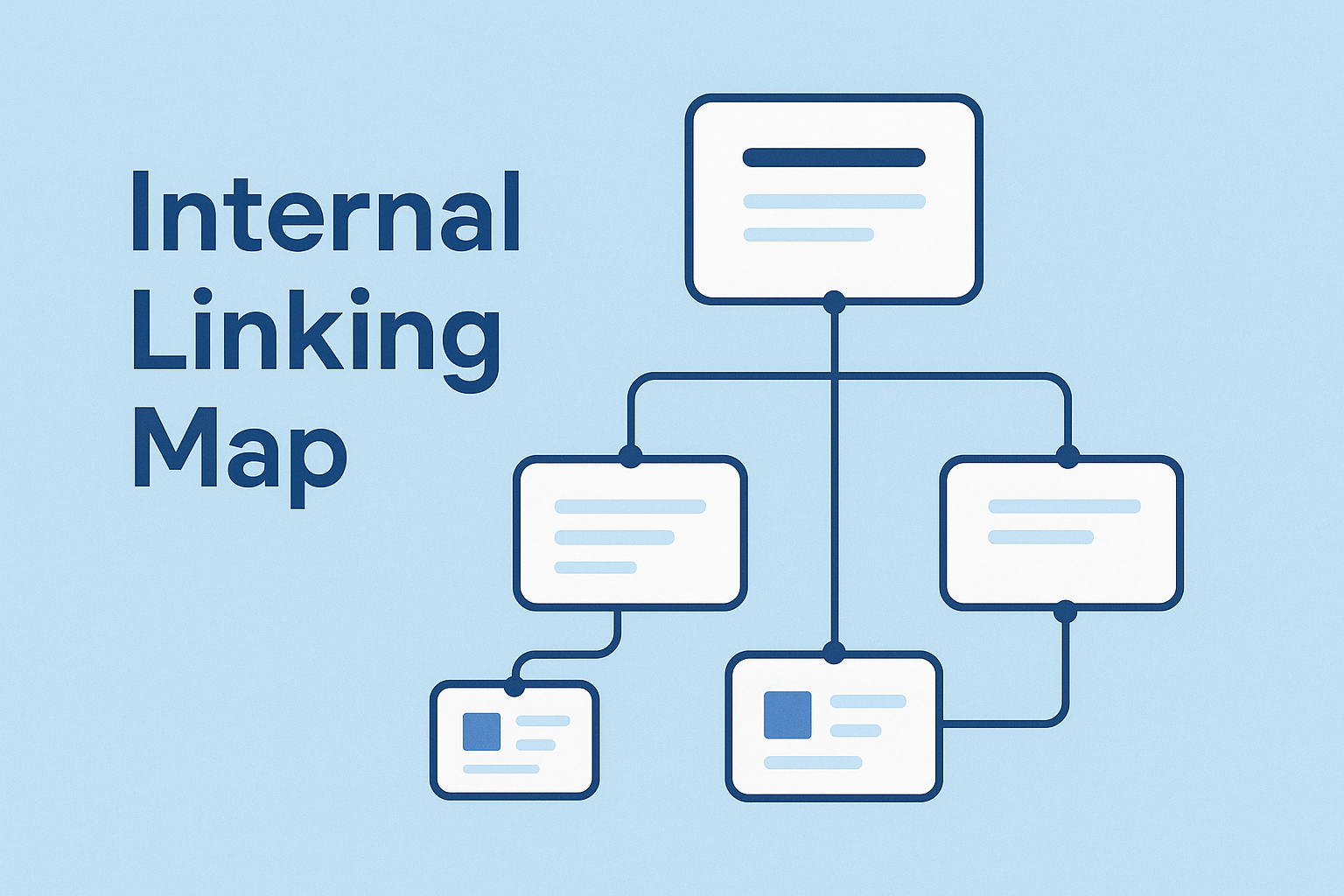





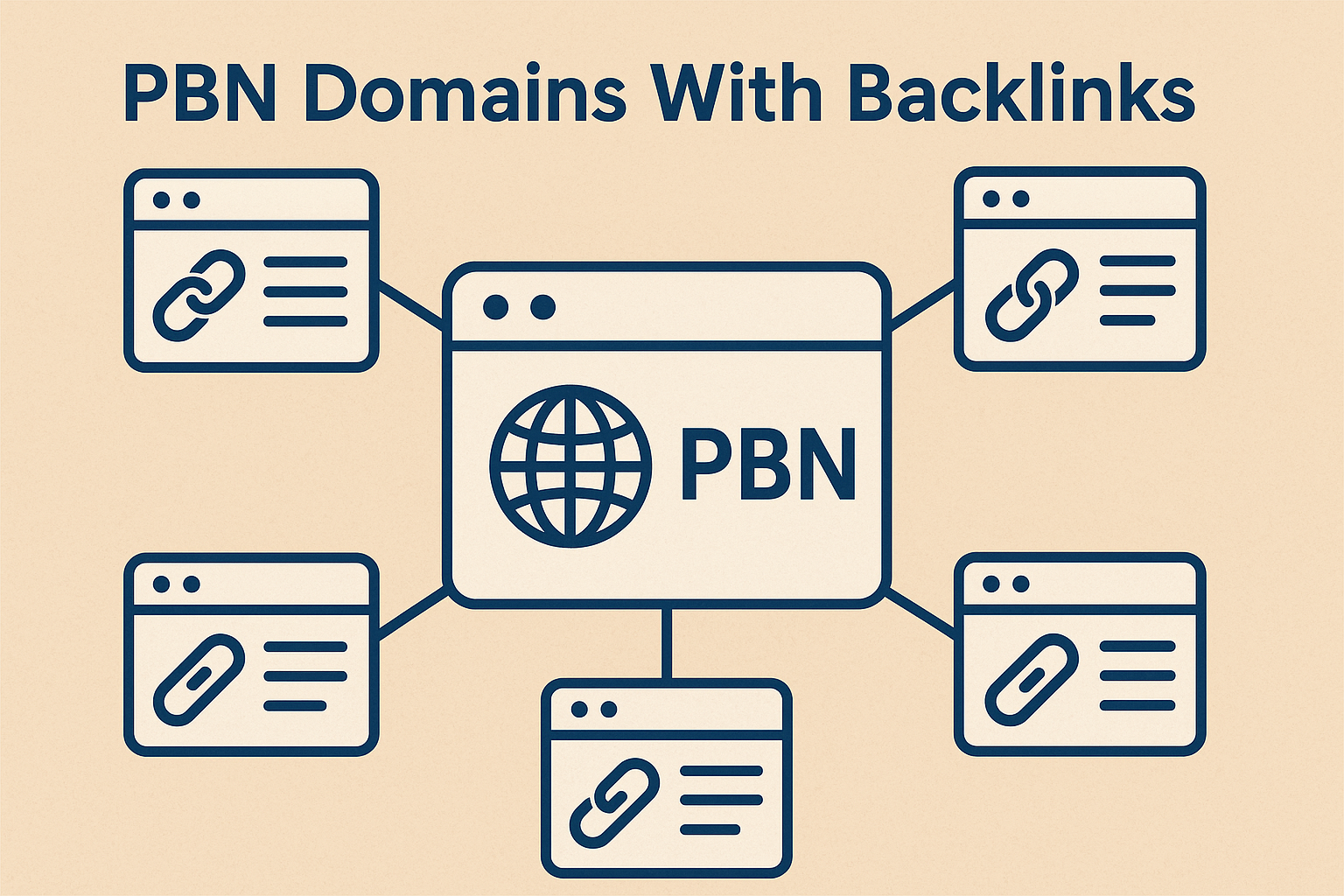








![Best Link Exchange Sites [Free & Safe] – Top 5 Picks](https://backlinkmanagement.io/wp-content/uploads/2025/04/Free-Link-Exchange.png)